

Renting vs. Buying in Denver 2025: The True Break-Even Point Revealed

I’ve spent a lot of time this year walking clients through the same decision: “Do we keep renting and stay flexible, or do we buy and start building equity—even with today’s carrying costs?” In Denver, the break-even point isn’t a generic number. It shifts with neighborhood micro-economics, hail and wildfire insurance bands, HOA culture, and even small ordinances that change day-to-day life—snow shoveling on corner lots, “Waste No More” composting rules at larger buildings, and the city’s rental licensing requirements. If you want the honest math for 2025—and what it actually feels like on the ground—this is the guide I give to friends and clients before we run numbers on a specific address. When you’re ready, the latest listings are just below; I’ll help you pressure-test the assumptions behind them.
Denver 2025 Snapshot: Rates, Rents, and What’s Really Moving the Needle
First, a baseline. The 30-year fixed is averaging about 6.30% as of early October 2025, according to Freddie Mac’s Primary Mortgage Market Survey. That’s the lowest in roughly a year and the rate I use to start side-by-side scenarios. I’ll adjust ±1% for sensitivity because buyers here feel even small bumps in the payment.
On the rent side, there are two different realities. Apartments across the city are landing around $1,660–$1,700 this fall—down slightly from last year, per Apartment List’s Denver Rent Report. But single-family rentals and townhomes sit higher, often above $2,100 when yards, garages, and space come into play. That spread matters because it moves the break-even point several years either way.
Vacancy tells the story behind those rents: Denver’s apartment vacancy has hovered around 7%—the highest in more than a decade—so concessions are back. Detached rentals haven’t softened as much, but this supply cushion gives renters real negotiating power, especially downtown and in RiNo.
Your True Carrying Cost in Denver: Taxes, Insurance, HOA, Utilities, and “Little” Rules
Property taxes are changing the way owner budgets pencil out. Starting in 2025, Colorado splits residential assessment rates: 7.05% for schools and 6.25% for local governments. Two lines, two levies. If you’ve used older calculators, you’ll want to re-run them; the math shifts by neighborhood. You can confirm the new structure directly from the Colorado County Assessor’s 2025 overview.
Insurance is the biggest swing factor this year. Colorado sits among the costliest states for homeowners insurance, with Denver premiums often running between $3,000–$5,000/year. Non-renewals and carrier pullbacks have become more common after major hail losses. Both The Colorado Sun and Axios Denver have detailed how these pressures are reshaping policy costs. I tell every buyer to get two quotes during inspection so we’re not blindsided before closing.
HOAs are a culture, not a line item. Downtown condos carry higher dues for amenities and master policies; older associations with thin reserves can be one surprise assessment away from wrecking a budget. Warrantability—the lender’s way of rating a building’s financial health—matters more now than ever. For townhomes, dues range widely, so we always read reserve studies and master policy deductibles instead of guessing.
Utilities are their own variable. With Xcel Energy’s time-of-use billing and proposed rate changes, I tell owners to leave headroom for winter gas bills and summer A/C spikes. Renters see “$X + utilities” on leases, but owners feel the true seasonal swing.
And then there are the small but real Denver quirks: sidewalks must be cleared within 24 hours after snowfall stops, according to city snow removal rules, and the “Waste No More” recycling ordinance is pushing larger multifamily buildings toward compost and recycling mandates. They’re not headline costs, but they affect how properties live day to day.
The Condo “Gotchas” That Move Break-Even: Warrantability, Reserves, and Insurance Deductibles
If you’re looking at a condo in Cap Hill, Golden Triangle, or LoHi, the easiest way to break the math is a non-warrantable building. Lenders rely on Fannie Mae’s Condo Project Manager (CPM) to decide whether a project qualifies for conventional financing. If it doesn’t, you’ll see higher rates, bigger down payments, or private portfolio loans. That alone can stretch the break-even point by years. I always check CPM status, master policy coverage, and reserve balances before we talk numbers.
Master insurance deductibles can also shift risk back onto individual owners. Some HOAs carry high deductibles that leave gaps a standard HO-6 policy might not fill. Reading those policies isn’t glamorous work, but it’s the kind of detail that protects long-term budgets.
Three Real-World Scenarios at 6.30%: Condo vs. Townhome vs. Single-Family
These are the scenarios I walk buyers through. The numbers vary by address, but the pattern holds across the metro.
Urban 1-Bed Condo vs. Apartment Rent
In the city core, apartments rent for about $1,660–$1,700. A condo in the same area comes with HOA dues that can run a few hundred dollars a month. When the project is warrantable and reserves are solid, the break-even point often lands between five and seven years. If the HOA is unstable or non-warrantable, renting remains the smarter move until the building’s finances stabilize.
2-Bed or 3-Bed Townhome vs. SFR-Skewed Rents
Townhomes with manageable dues and solid reserves compete well against SFR-style rentals hovering around $2,100. Buyers often see a four- to six-year break-even window, faster if we negotiate a seller credit or you itemize deductions in year one. I still underwrite with a ±$300 HOA sensitivity to stay honest about possible assessments.
3-Bed Single-Family Home vs. Family-Sized Rentals
Detached homes find their rhythm once families start comparing rent inflation to fixed payments. With realistic insurance and steady appreciation, most buyers reach break-even in three to five years. You’ll carry the utility swings and shovel your own walk, but you’ll also control the asset instead of renewing someone else’s lease.
How Fragile Is the Math? A Simple Sensitivity Check
Small changes can move the needle more than people think. Here’s how the main levers usually shift the timeline:
| Lever | Shift | Effect on Break-Even |
|---|---|---|
| Interest Rate | ±1% from 6.30% | Roughly ±8–14 months |
| HOA Dues | ±$300/month | ±12–18 months |
| Homeowners Insurance | ±$1,000/year | ±4–8 months |
| Rent Baseline | $1,670 vs. $2,100 | 1–2 years difference depending on product type |
These aren’t promises—they’re reminders to leave headroom. If we’re close to the line, I’ll write inspection objections with insurance and taxes in mind so we can keep room to adjust.
Taxes That Tilt the Long-Run: Interest Deductions and the Gain Exclusion
Two federal levers matter when you hold long enough: the mortgage interest deduction (if you itemize) and the capital gains exclusion on your primary home—$250,000 for singles or $500,000 for married couples who meet the residency test. They don’t affect your monthly, but they change long-run returns. Learn more straight from the IRS Publication 936 and IRS Topic 701. I always suggest checking with a CPA before making big assumptions about them.
How It Actually Lives: Little Quirks That Don’t Fit in a Calculator
- In RiNo and Cap Hill, “free month” banners are everywhere right now—worth asking about parking or storage add-ons too. That leverage disappears in the single-family market.
- Corner-lot townhomes add real work after snow; the city’s 24-hour window is enforced by neighbors who don’t hesitate to call 311.
- Condo buyers, we always read reserve studies and master insurance policies together; those details have saved clients thousands later on.
- On owner budgets, I leave a cushion for utility swings; time-of-use billing and rate cases creep faster than people expect.
When Renting Wins in 2025 Denver (and When It Doesn’t)
Renting wins when flexibility matters—testing neighborhoods, job shifts, or waiting for better financing. It also wins when the only affordable condo options are in questionable HOAs. Where renting loses: when you need predictability, space, or long-term control. Families and remote workers who plan to stay beyond three years usually find ownership’s stability outweighs short-term costs.
Denver 2025 Decision Flow: A Simple Checklist Before You Buy
- Set the current rate band (around 6.3%) and test payments ±1%.
- Pull two insurance quotes early in inspection.
- Confirm tax estimates under 2025’s split assessment structure.
- Verify warrantability on any condo or townhome in CPM.
- Compare against both rent anchors: apartment median and SFR rental levels.
- Account for local rules—snow removal, waste compliance, and HOA quirks.
- Loop in a CPA to validate deduction and gain assumptions.
If you’d like to see how these numbers look on your short list—whether it’s RiNo, Central Park, or the south suburbs—send me a few listings. I’ll build a side-by-side with real taxes, insurance quotes, and HOA data so you can see where your true break-even lands.
View Latest Home Listings in Denver CO
 Compass - Denver
 Strategic Real Estate And Development Services
 Compass - Denver
 8z Real Estate
 Iconique Real Estate, LLC
 Real Broker, LLC Dba Real
 Golba Group Real Estate
 Kentwood Real Estate Cherry Creek
 Trelora Realty, Inc.
 Wisdom Real Estate
 The Agency - Denver
 The Agency - Denver
 Coldwell Banker Global Luxury Denver
 RE/MAX Alliance
 Rocky Mountain Real Estate Inc
 Dream Solutions Realty, LLC
 Anjoy Realty, LLC
 RE/MAX Professionals
 Douglas Real Estate
 Banyan Real Estate LLC
 Your Castle Real Estate Inc
 Brokers Guild Homes
 Homesmart
 Espi Agency, L.L.C.
 RE/MAX Northwest
 RE/MAX Professionals
 Iconique Real Estate, LLC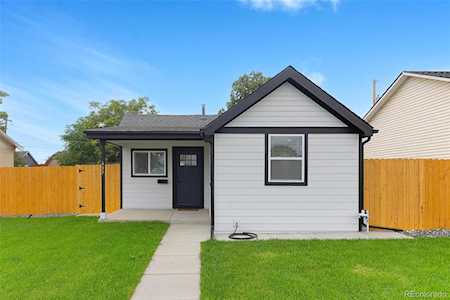
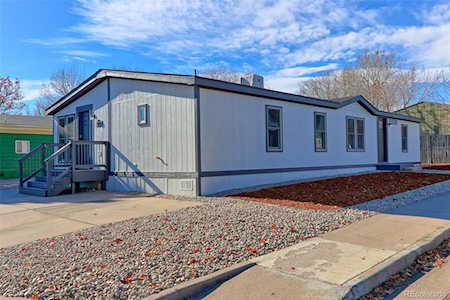 RE/MAX Northwest Inc
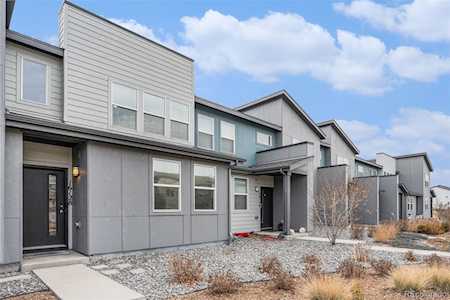 Better Homes & Gardens Real Estate - Kenney & Co.
 Liv Sotheby's International Realty
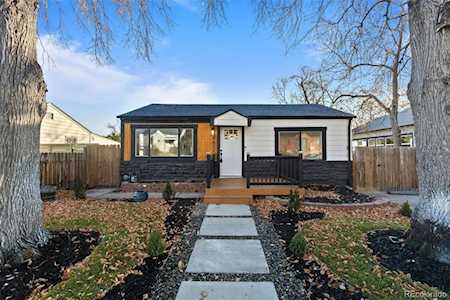 Real Broker, LLC Dba Real
 Kittle Real Estate
 Kittle Real Estate
 Your Castle Real Estate Inc
Properties displayed may be listed or sold by various participants in the MLS,” as established by the applicable MLS Governing Documents.
The content relating to real estate for sale in this web site comes in part from the Internet Data eXchange ("IDX") program of METROLIST INC® Real estate listings held by brokers other than The Kenna Real Estate group are marked with the IDX Logo. This information is being provided for the consumers' personal, non-commercial use and may not be used for any other purpose. All information subject to change and should be independently verified. Click here for the full Terms of Use

Ready to find your dream home in Denver?
We can help! Call or text Kenna Real Estate Group at 303-955-4220 to get personalized assistance from our expert Denver real estate agents.
Denver Rent vs. Buy 2025 — FAQ
What’s the average break-even time when buying versus renting in Denver?
In 2025, most buyers in Denver reach break-even around 3–7 years, depending on property type and costs. Condos typically need 5–7 years because of HOA dues and potential assessments. Townhomes fall around 4–6 years, while single-family homes—if held long enough—can reach parity in 3–5 years. The timeline flexes with interest rate, HOA health, and insurance premiums.
How do Denver’s insurance costs affect the rent-vs-buy decision?
Homeowners insurance in Colorado has risen sharply—most Denver policies now range between $3,000 and $5,000 per year. Premiums fluctuate by neighborhood risk: hail, wildfire interface zones, and roof type all factor in. Because insurance can add hundreds monthly, I recommend getting two quotes during inspection to understand your true carrying cost before you buy.
What is condo warrantability, and why does it matter in Denver?
Warrantability determines whether a condo meets Fannie Mae lending standards. Non-warrantable buildings may require larger down payments or higher rates. Denver’s older cores—like Capitol Hill and LoHi—have several non-warrantable projects. I always check the building’s CPM status, reserve funding, and litigation history before running numbers for clients.
How have Denver’s 2025 property tax changes impacted ownership costs?
Starting in 2025, Colorado split its residential property tax assessment into two parts—7.05% for schools and 6.25% for local governments. This means you’ll see two separate lines on future bills. Older tax calculators may underestimate your true annual expense, so I use updated county assessor tools to estimate based on the new structure.
Are HOA fees a dealbreaker when comparing renting vs. buying?
Not necessarily—but they’re one of the biggest variables. In downtown Denver, HOA dues can range from $300 to $1,000 monthly depending on amenities and reserves. I treat them as part of the mortgage payment in all break-even models. Stable, well-funded HOAs add value; thin reserves or high deductibles can delay your break-even by years.
How do rent concessions and vacancy rates affect the decision to buy?
Denver’s rental vacancy has hovered near 7%, a fifteen-year high. Landlords are offering free months, reduced deposits, or parking incentives. These short-term perks make renting more attractive right now—but when the market tightens again, those deals disappear. I remind renters that long-term rent inflation is still stronger than ownership appreciation in most neighborhoods.
What local rules should homeowners consider before buying in Denver?
Owners are responsible for clearing sidewalks within 24 hours after snowfall, per Denver’s snow ordinance. Larger multifamily buildings must comply with “Waste No More” composting and recycling rules. For landlords, rental licenses and inspections are now required citywide. All these factors shape true ownership costs and day-to-day living.
When does renting actually win in Denver?
Renting wins when you value flexibility—testing new neighborhoods, expecting a job move, or waiting for lower rates. It also makes sense if your preferred condo buildings are non-warrantable or have shaky finances. But if you plan to stay more than three years and want stability, owning almost always overtakes rent once appreciation and tax benefits kick in.
What tax benefits help buyers in the long run?
Homeowners may qualify for mortgage-interest deductions (see IRS Publication 936) and the primary-residence capital-gains exclusion (see IRS Topic 701). These don’t affect your monthly payment but improve long-term ROI once you’ve held the property and lived in it for two out of five years.
What’s the smartest way to compare my own rent vs. buy numbers?
Start with today’s rate (around 6.3%) and test payments ±1%. Add your expected insurance quote, HOA dues, and current Denver property tax estimate under the 2025 split rates. Then compare to both your actual rent and the city’s median rent benchmarks. If you plan to stay five years or longer, ownership tends to win even under conservative assumptions.

Post a Comment